Home Robotics C++ Physics II AP Physics B Electronics AP Java Astronomy Independent Study Summer Session Contests  About
                                                       

Edwin Hubble: 1889-1953


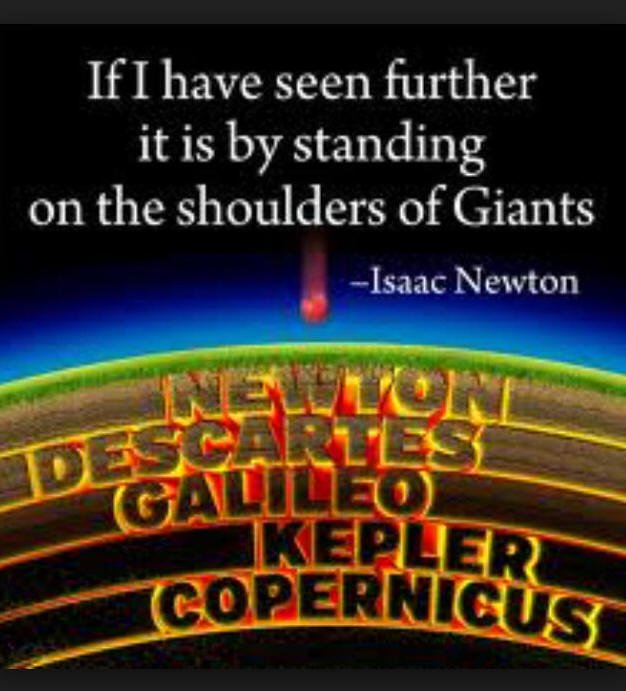
In the early 20th century, before Hubble began his extensive work, there was an intense debate raging in the field of astronomy over great clusters of stars, called "nebulae." At the time, there was no evidence that there were galaxies in the universe that lay beyond the Milky Way. At issue, then, was whether these "nebulae" were a part of the Milky Way or some other star formations beyond our galaxy. In some ways, it is more difficult to comprehend that the existence of other galaxies was uncertain in such recent years than to believe that Copernicus was doubted in the 16th century for proposing the idea of a solar system.


Finally, Hubble determined that these "nebulae" are indeed other galaxies because they are moving away from the earth. In fact, he concluded that these star systems are each "island universes," not part of our own galaxy. This was an enormously important discovery, for it opened up a great new realm of research and provided an important base for the theory of the expanding universe.


When Hubble observed other galaxies moving away from Earth, he was looking at the wavelengths of their light. If the wavelengths are longer and towards the red end of the spectrum, then the galaxy is going away from us; but if the wavelengths are shorter and bluish, then the galaxy is coming towards us. Later in the Guided Tour, we will expand on the concepts of "redshifting" and "blueshifting." For now, it is enough to understand that he could prove that these galaxies were moving away from Earth.


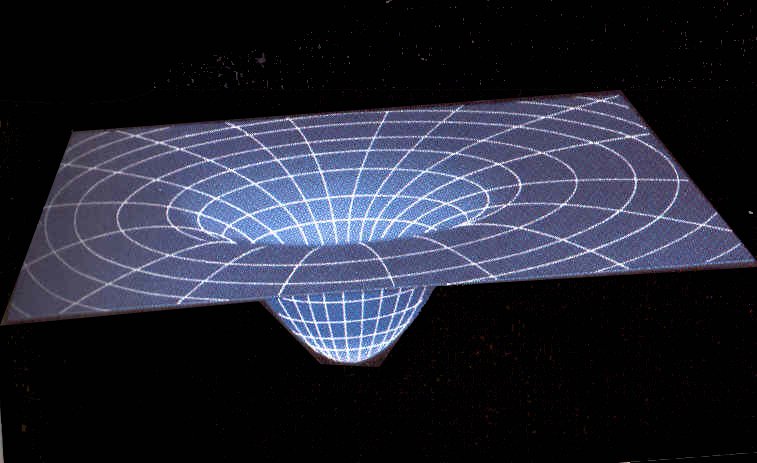
Another interesting aspect of Hubble's research was his discovery that more distant galaxies move away more quickly than those closer to us. The very notion that these galaxies were actually receding is an important one because it is a central tenant of the Big Bang theory, in which a powerful explosion initiates the inflation of the universe. Incredibly, Albert Einstein referred to Hubble's work as "beautiful" and adjusted his relativity equations to account for the fact that the universe is expanding.